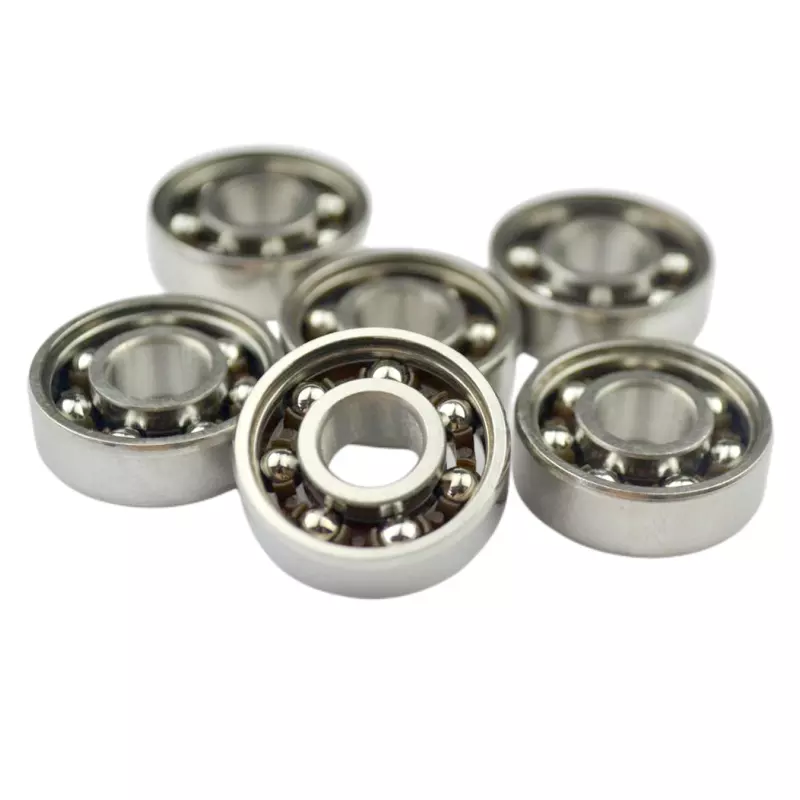
Have you ever noticed that a bearing becomes hotter shortly after adding fresh grease? While lubrication is essential for smooth bearing operation, adding more grease does not always mean better performance. In fact, improper greasing can increase friction, generate excessive heat, and potentially shorten bearing service life. Understanding the causes of bearing temperature rise after greasing can help maintenance teams prevent unexpected equipment failures and reduce downtime. 1. Excessive Grease Causes Heat Buildup One of the most common reasons for bearing overheating after lubrication is over-greasing. When too much grease is introduced into a bearing or its housing, the rolling elements must push through the excess lubricant during rotation. This creates additional churning resistance, resulting in: Increased frictional torque Higher operating temperatures Greater energy consumption Accelerated grease deterioration Potential damage to bearing components Solution: Always follow the bearing manufacturer's recommendations for grease quantity. Avoid completely filling the housing unless the application specifically requires it. Ensure that excess grease can escape through an appropriate relief or drain arrangement where the bearing housing design permits. 2. Incorrect Grease Quantity Affects Bearing Performance Both excessive and insufficient lubrication can cause problems. Too much grease increases churning losses, while insufficient grease may prevent the formation of an adequate lubricating film between rolling elements and raceways. Over-greasing can also increase pressure within certain bearing housings and potentially affect seals. Solution: Determine the correct grease quantity based on bearing type, dimensions, rotational speed, operating conditions, and housing design. Use controlled lubrication methods to prevent inconsistent grease application. 3. Uneven Grease Distribution During Startup After fresh grease is added, it may take time for the lubricant to redistribute within the bearing. During this initial running-in period, grease churning can temporarily increase friction and bearing temperature. A moderate, temporary temperature rise may be normal. However, temperatures that continue increasing or exceed specified operating limits require investigation. Solution: Where recommended by the bearing or equipment manufacturer, follow a controlled running-in procedure. Start at an appropriate reduced speed, monitor temperature, and gradually increase operating speed after the temperature stabilizes. 4. Using the Wrong Type of Grease Not all lubricating greases are suitable for every bearing application. Grease selection depends on several operating factors, including: Operating speed and load Ambient and operating temperatures Base oil viscosity Grease consistency (NLGI grade) Thickener type and additive compatibility Exposure to moisture, dust, or chemicals Using an unsuitable grease can result in excessive friction, poor lubrication, and abnormal temperature increases. Mixing incompatible greases may also affect lubricant consistency and performance. Solution: Select grease according to the bearing manufacturer's specifications and actual operating conditions. Before switching lubricants, verify compatibility or follow the recommended grease replacement procedure. 5. Improper Bearing Installation and Contamination Not every temperature increase…
Is your industrial bearing running unusually hot, making strange noises, or even producing smoke? Bearing overheating is a serious warning sign in rotating machinery. If left unaddressed, excessive heat can damage rolling elements, raceways, cages, lubricants, and surrounding components, potentially leading to costly equipment downtime. Understanding the causes of bearing overheating can help maintenance teams identify problems early, improve equipment reliability, and extend bearing service life. In this guide, we explore five common causes of bearing overheating, three warning signs to watch for, and practical steps to take when a bearing becomes dangerously hot. 1. How to Identify an Overheating Bearing Abnormal Bearing Temperature A bearing running above its normal operating temperature may indicate increased friction, poor lubrication, or excessive loading. Use an infrared thermometer, thermal camera, or installed temperature sensor to monitor bearing housing temperatures. Compare readings against the equipment manufacturer's recommended operating limits and historical temperature data. Important: There is no universal temperature limit for every bearing. Acceptable operating temperatures depend on bearing design, lubricant, speed, load, and working environment. Discolored or Degraded Lubricating Grease Lubricating grease plays a critical role in reducing friction and preventing metal-to-metal contact. Possible warning signs include: Darkened or discolored grease Unusual grease leakage A burnt smell near the bearing housing Grease contamination or changes in consistency These symptoms may indicate excessive operating temperatures or lubricant deterioration and should be investigated. Unusual Noise or Vibration Healthy bearings normally operate with relatively stable noise and vibration characteristics. Common warning sounds include grinding, squealing, or abnormal metallic noises. These symptoms may be associated with inadequate lubrication, contamination, surface damage, or incorrect installation. For accurate diagnosis, use appropriate vibration monitoring or acoustic inspection equipment. 2. Five Common Causes of Bearing Overheating Cause 1: Insufficient or Excessive Lubrication Lubrication problems are among the most frequent contributors to bearing overheating. Insufficient lubrication may cause increased friction and direct contact between rolling surfaces. However, excessive grease can also create problems. Overgreasing increases churning resistance, particularly at higher rotational speeds, generating additional heat inside the bearing assembly. Recommended Solution: Select the correct lubricant for the operating conditions and follow the equipment manufacturer's lubrication quantity and interval recommendations. Cause 2: Excessively Tight Fits or Insufficient Internal Clearance Bearing internal clearance is essential for accommodating operating conditions, including thermal expansion. If the interference fit is excessively tight or the initial clearance is insufficient, the bearing may develop excessive internal loading during operation. This increases friction, heat generation, and the risk of premature failure. Recommended Solution: Check shaft and housing dimensions, verify the required fit tolerances, and select the appropriate bearing internal clearance according to the application. Cause 3: Excessive Bearing Preload Preload is commonly used in applications involving angular contact ball bearings…
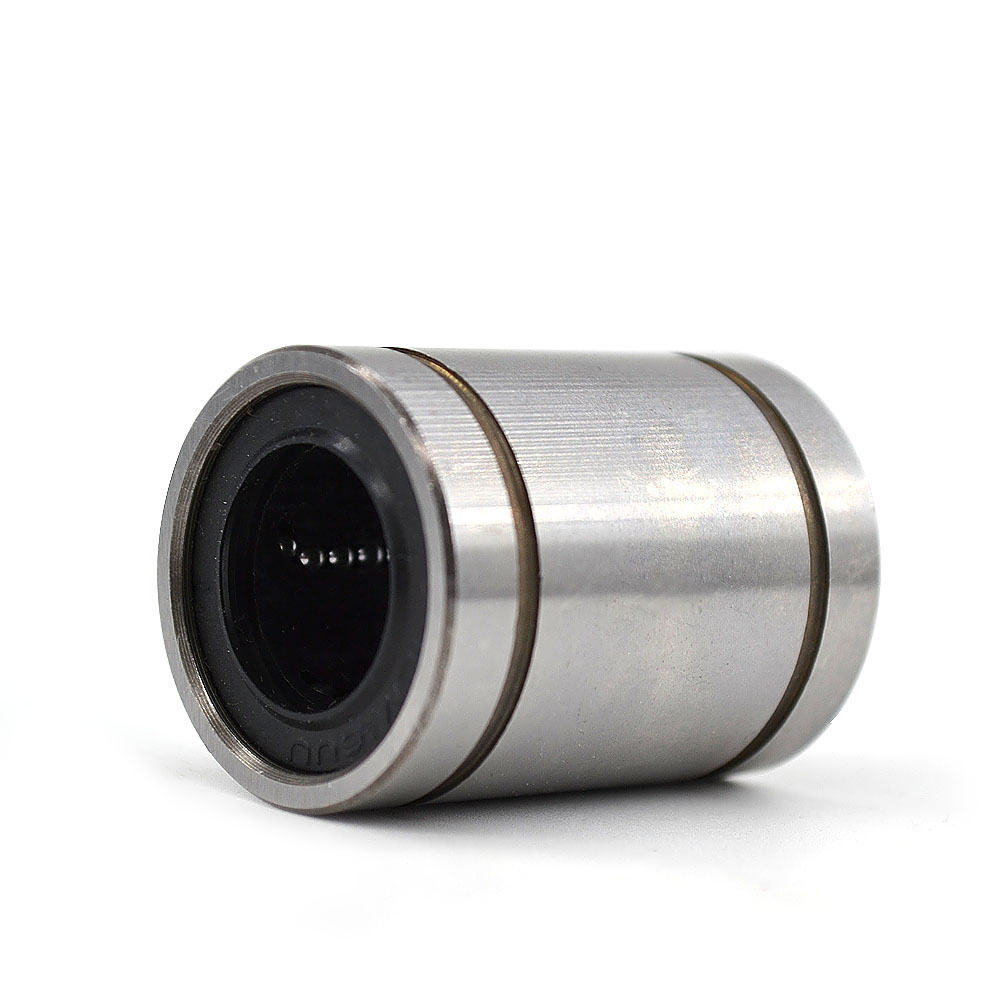
Linear bearings are essential components in many industrial motion systems. They allow machinery to move smoothly along a straight path while reducing friction between moving parts. From automated production lines to packaging equipment and precision instruments, linear bearings help support efficient and reliable mechanical movement. But have you ever wondered how these small yet important components are manufactured? Producing a high-quality linear bearing involves more than simply shaping a piece of metal. It requires suitable materials, controlled heat treatment, precision machining, careful assembly, and consistent quality inspection. In this article, we explore the key stages of the linear bearing manufacturing process and explain how each step contributes to product performance. 1. Material Selection: The Foundation of Bearing Quality The manufacturing process begins with selecting suitable materials for the bearing components. A typical recirculating ball-type linear bearing consists of several important parts, including: Outer sleeve Steel balls Ball retainer or cage End seals, depending on the design Each component has different performance requirements. For example, bearing-grade chromium steel is commonly used for the outer sleeve because of its hardness, strength, and wear resistance after appropriate heat treatment. Stainless steel may also be used in certain bearing designs where corrosion resistance is important. The steel balls must provide consistent dimensions, suitable hardness, and a smooth surface to support reliable rolling motion. Meanwhile, the retainer may be manufactured from engineered polymers or metal, depending on operating temperature, load conditions, and product design. Why does material selection matter? Choosing appropriate materials helps achieve: Better wear resistance Consistent mechanical performance Improved dimensional stability Reliable operation under intended working conditions Longer service life when correctly installed and maintained The correct material combination depends on the bearing's application rather than a single universal specification. 2. Forming and Initial Machining: Creating the Bearing Components Once the materials have been selected, the next stage involves forming or machining the individual bearing components. Depending on the product structure and production method, manufacturers may use processes such as cold forming, cutting, turning, or other metalworking operations. For the outer sleeve, the goal is to produce the required basic shape while leaving appropriate machining allowance for later finishing operations. During this stage, manufacturers pay attention to several important factors: Inner and outer dimensions Wall thickness consistency Component geometry Surface condition Material integrity Accurate initial processing helps reduce errors during subsequent manufacturing steps. It also creates a stable foundation for precision finishing. Different linear bearing types may require different production methods. Therefore, the manufacturing route for a standard linear ball bushing may not be identical to that of a flanged or specially designed linear bearing. 3. Heat Treatment: Improving Hardness and Wear Resistance Heat treatment is one of the most important stages in…
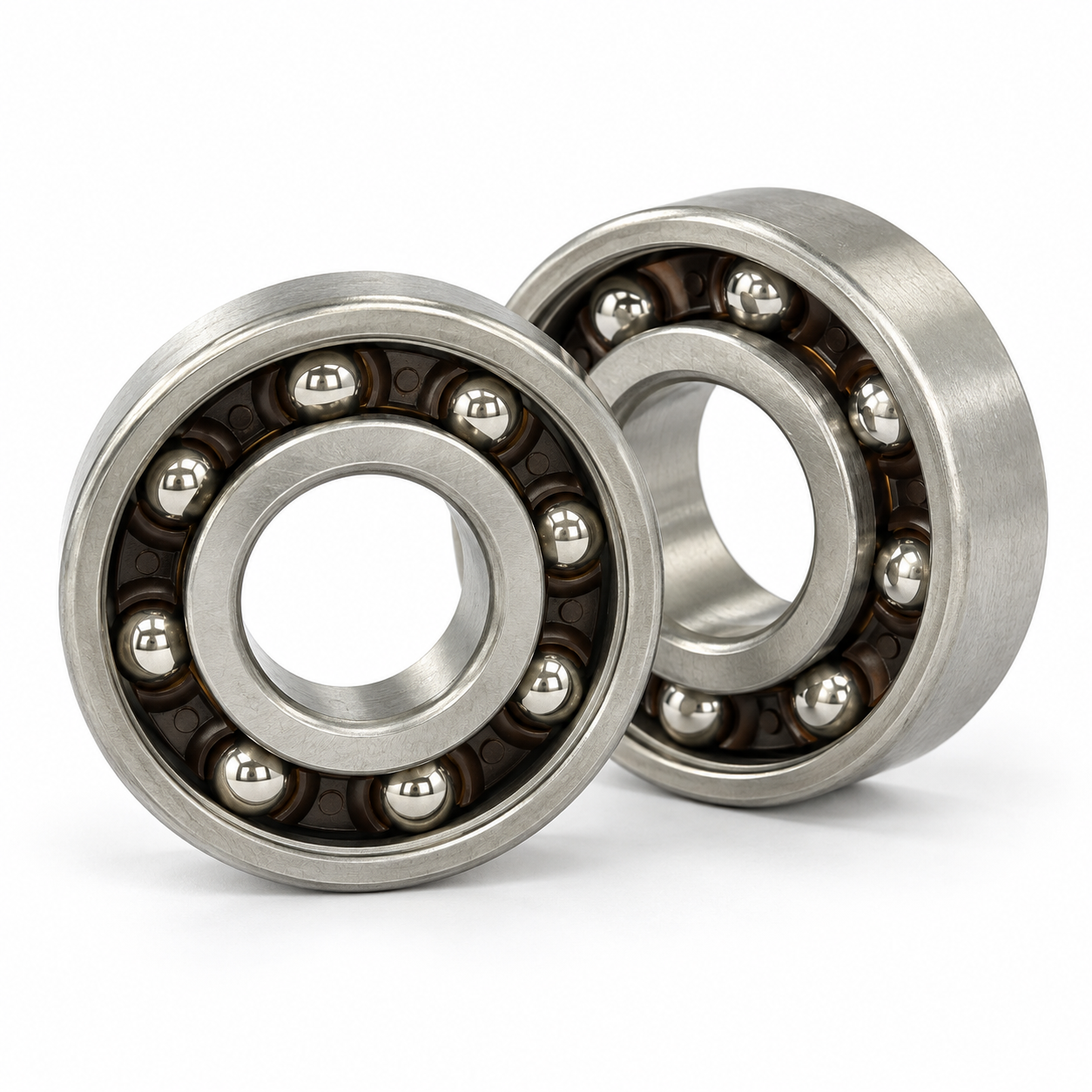
When people think about bearing lubrication, oil and grease usually come to mind first. But for some high-speed and precision applications, there is another solution: gas bearings. Instead of relying on conventional lubricants, gas bearings use air, nitrogen, or other gases to create an extremely thin film between the rotating shaft and the bearing surface. This gas film works like an invisible cushion, helping reduce direct contact between moving components. So, what are the advantages? Lower Friction Gas has a much lower viscosity than most liquids, which helps reduce friction and energy loss during high-speed operation. Suitable for High-Speed Applications With less resistance between moving surfaces, gas bearings can perform well in systems that require very high rotational speeds. High Precision Because direct mechanical contact can be minimized, gas bearings are well suited for precision equipment where smooth motion, low vibration, and accuracy are important. Oil-Free Operation In certain applications, eliminating conventional lubricants can help reduce contamination, maintenance requirements, and lubricant-related losses. The basic idea behind a gas bearing is simple: Instead of making two metal surfaces slide more efficiently, the goal is to keep them from touching as much as possible. That is why gas bearing technology continues to play an important role in high-speed rotors, precision machinery, measuring equipment, and other advanced industrial systems. Sometimes, the next step in bearing technology is not finding a better lubricant. It is asking a different question: What if we do not need oil at all? What do you think about gas bearings? Would you consider an oil-free bearing solution for high-speed applications? #GasBearing #AirBearing #BearingTechnology #MechanicalEngineering #PrecisionEngineering #HighSpeedMachinery #IndustrialTechnology #Engineering #OilFree #Bearings
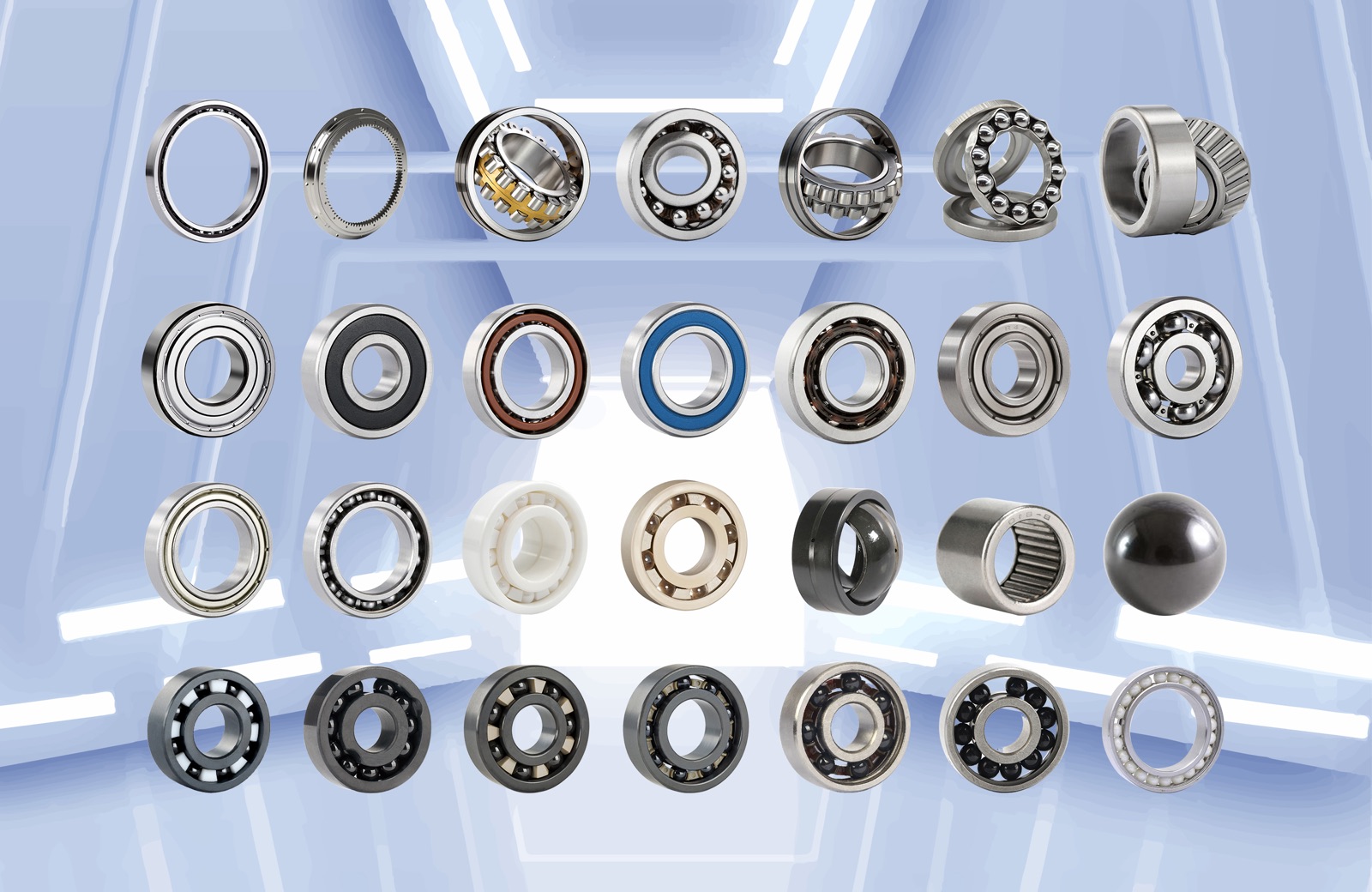
# A New Bearing Failed Again? The Bearing May Not Be the Real Problem Replacing a damaged bearing may get a machine running again—but it does not necessarily solve the failure. When a new bearing develops noise, excessive heat, or vibration shortly after installation, the first question should not be “Which bearing should we buy next?” Instead, ask: **Was the original cause ever identified?** In many industrial applications, premature bearing failure is only the visible result of a deeper problem elsewhere in the system. ## Look Beyond the Damaged Bearing Several hidden conditions can significantly shorten bearing service life: * Incorrect lubricant type or quantity * Shaft and housing misalignment * Improper mounting force * Contamination entering through damaged seals * Incorrect internal clearance * Excessive or uneven loading * Electrical current passing through the bearing * Long periods of vibration while the machine is stationary If these conditions remain unchanged, even a high-quality replacement bearing may fail again. ## What Are the Early Warning Signs? Bearings usually provide warning signals before a serious breakdown occurs. **Unusual noise** Grinding, clicking, humming, or metallic sounds may indicate poor lubrication, surface damage, contamination, or cage problems. **Rising temperature** A rapid temperature increase can result from insufficient lubrication, excessive grease, preload, misalignment, or internal friction. **Increasing vibration** A steady rise in vibration is often more meaningful than a single measurement. High-frequency impacts may indicate early surface damage, while low-frequency vibration can point to imbalance, looseness, or misalignment. **Uneven rotation** Resistance, roughness, or sticking during manual rotation may suggest indentation, contamination, damaged rolling elements, or deteriorated grease. **Grease leakage or seal damage** Escaping lubricant and visible contamination around the seal are signs that the bearing’s internal operating environment may already be compromised. ## Diagnose Before You Replace A reliable investigation should examine the complete bearing system: 1. Record noise, temperature, vibration, speed, and load conditions. 2. Check shaft alignment, housing accuracy, fits, and internal clearance. 3. Inspect lubricant condition, quantity, and contamination level. 4. Examine seals and surrounding environmental conditions. 5. Keep the failed bearing for surface and wear-pattern analysis. 6. Correct the root cause before installing the replacement. The wear pattern on a failed bearing can reveal valuable information. Discoloration may indicate overheating. Localized raceway damage may suggest misalignment. Rust marks can reveal moisture ingress, while evenly spaced indentations may point to vibration during standstill. ## Build a More Reliable Maintenance Strategy Long bearing life depends on more than product quality. It requires the right combination of bearing selection, installation, lubrication, sealing, alignment, and condition monitoring. A practical prevention program should include: * Application-specific bearing selection * Controlled mounting and dismounting procedures * Documented lubrication intervals and quantities * Regular seal and contamination…
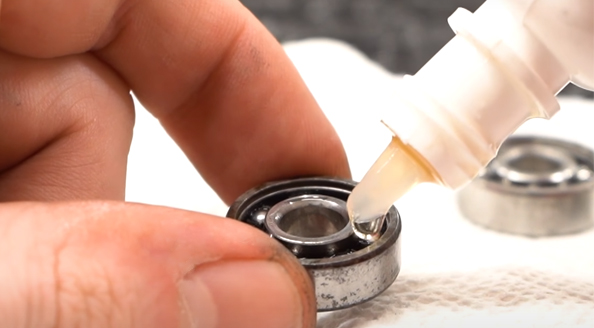
Proper lubrication reduces friction and wear, helps control operating temperature, prevents corrosion, and extends bearing service life. However, there is no single lubrication method suitable for every bearing application. The appropriate solution should be selected according to bearing type, operating speed, load, temperature, working environment, and maintenance requirements. Common lubrication methods for XZBRG bearings include grease lubrication, oil lubrication, and solid lubrication. 1. Grease Lubrication Grease lubrication is one of the most widely used methods for rolling bearings. It is easy to apply, stays inside the bearing housing, and generally requires less maintenance than oil lubrication. Grease lubrication is commonly suitable for: Electric motors Agricultural machinery Conveying equipment Automotive components General industrial machinery Applications with moderate speeds and temperatures The grease type and filling quantity should be carefully controlled. Excessive grease may increase friction and operating temperature, while insufficient grease may cause premature wear. 2. Oil Bath Lubrication With oil bath lubrication, part of the bearing is immersed in lubricating oil. As the bearing rotates, oil is carried to the rolling elements and raceways before returning to the oil reservoir. This method is generally used for low- and medium-speed applications. Under normal conditions, the oil level should not be too high; otherwise, excessive churning may lead to heat generation and energy loss. 3. Drip-Feed Lubrication Drip-feed lubrication supplies a controlled amount of oil to the bearing at regular intervals. It is suitable for applications that require continuous but relatively small quantities of lubricant. The oil supply rate should be adjusted according to operating conditions. Too much oil may cause temperature rise and leakage, while too little may result in inadequate lubrication. 4. Circulating Oil Lubrication In a circulating oil system, a pump delivers filtered oil to the bearing. After passing through the bearing arrangement, the oil is filtered, cooled, and circulated again. Because the circulating oil removes heat and contaminants, this method is suitable for: High-speed equipment Bearings exposed to elevated temperatures Gearboxes and industrial machinery Applications requiring continuous cooling and filtration 5. Oil Mist Lubrication Oil mist lubrication mixes a small quantity of oil with clean, dry compressed air and delivers it to the bearing as a fine mist. This method can provide lubrication while creating positive pressure inside the bearing housing, which helps limit the entry of dust and other contaminants. It is often considered for high-speed or high-temperature applications with a properly designed lubrication system. 6. Oil Jet Lubrication For very high-speed bearings, airflow generated by rotating components may prevent oil from reaching the contact surfaces effectively. Oil jet lubrication uses a pump and nozzle to inject oil directly into the bearing at sufficient pressure and flow. Correct nozzle position, oil flow, drainage, and cooling capacity are…

Meet Us at MSV 2026 in Brno! We are excited to announce that Xinzhou Bearing Industrial Inc will be exhibiting at MSV 2026, the International Engineering Fair in Brno, Czech Republic, from 6 to 9 October 2026. Recognised as one of Central Europe’s key industrial events, MSV connects engineering expertise, advanced manufacturing technologies and international business opportunities under one roof. Visit our booth to: ✓ Discover our latest [products/solutions] ✓ See how our technologies can support your production goals ✓ Discuss customised solutions with our specialists ✓ Explore new opportunities for long-term cooperation ? 6–9 October 2026 ? Brno Exhibition Centre, Czech Republic Planning to attend? Contact us in advance to book a one-to-one meeting with our team. We look forward to meeting customers, partners and industry professionals from across Europe in Brno! #MSV2026 #MSVBrno #Engineering #AdvancedManufacturing #IndustrialAutomation #Industry40 #MadeForEurope

Deep groove ball bearings are among the most widely used rolling bearings. Their simple design, low friction and high-speed capability make them suitable for electric motors, pumps, fans, gearboxes, conveyors and many other industrial applications. However, not all deep groove ball bearings are made from the same material. Bearing life, speed capability, corrosion resistance, noise level and overall reliability depend heavily on the materials used for the rings, balls and cage. There is no single “best” material for every application. The correct choice depends on operating load, speed, temperature, environment, lubrication and budget. 1. Chrome Steel: The Standard Choice for Industrial Applications Most standard deep groove ball bearing rings and balls are manufactured from high-carbon chromium bearing steel, such as GCr15, AISI 52100 or 100Cr6. After proper heat treatment, bearing steel provides: High hardness and wear resistance Excellent rolling-contact fatigue strength Good dimensional stability Reliable performance at medium and high speeds A cost-effective balance between performance and price For these reasons, bearing steel is commonly used in motors, pumps, fans, agricultural machinery, transmission systems and general industrial equipment. Its main limitation is corrosion resistance. Standard bearing steel may rust when continuously exposed to water, humidity, chemicals or aggressive cleaning fluids. 2. Stainless Steel: Designed for Corrosive Environments Stainless steel deep groove ball bearings are often selected for food-processing equipment, medical devices, cleaning systems, outdoor machinery and certain chemical applications. Compared with conventional bearing steel, stainless steel offers better resistance to moisture and corrosion. However, different stainless steel grades provide different levels of hardness, load capacity and corrosion resistance. Before selecting a stainless steel bearing, buyers should confirm: The exact stainless steel grade The type of corrosive substance involved Operating and cleaning temperatures Lubrication requirements Food-grade compliance, if applicable Magnetic or low-magnetic requirements The term “stainless steel bearing” alone does not guarantee suitability for every corrosive environment. 3. Hybrid Ceramic Bearings: A Solution for High-Speed and Electrical Applications Hybrid ceramic deep groove ball bearings normally combine steel rings with silicon nitride ceramic balls. Compared with steel balls, ceramic balls are lighter, harder and electrically insulating. These characteristics can help reduce centrifugal forces, friction and heat generation at high speeds. Hybrid ceramic bearings are commonly considered for: High-speed electric spindles Variable-frequency motors Precision machinery Applications exposed to electrical currents Equipment requiring lower friction and temperature rise However, ceramic bearings are not automatically the best solution for every machine. Shock loads, mounting accuracy, lubrication, operating conditions and cost must still be evaluated. 4. Plastic and Polymer Bearings: Lightweight and Corrosion-Resistant Some deep groove ball bearings use engineering-plastic rings and cages together with stainless steel, glass or ceramic rolling elements. Plastic bearings may offer: Low weight Resistance to selected chemicals Low operating noise Reduced…

The performance of a wind turbine starts with one critical component—the main shaft bearing. Selecting the right material is essential for maximizing reliability, efficiency, and service life. Here's a quick comparison of common bearing materials used in the wind energy industry: High-Strength Bearing Steel Materials such as “40Cr”and “GCr15” offer excellent hardness, strength, and durability, making them the preferred choice for most standard operating conditions. Heat-Resistant Steel For applications exposed to high temperatures and demanding operating speeds, grades like “9Cr18MoV” and “H13” provide improved thermal stability and corrosion resistance. Reinforced Polymers Lightweight, wear-resistant, and increasingly used in smaller wind turbine designs, reinforced polymers offer exciting potential for future applications, although ongoing development is focused on improving their long-term performance. Selecting the right bearing material isn't just about meeting today's operating conditions—it's about ensuring long-term reliability, reducing maintenance costs, and improving overall turbine performance. What material trends do you see shaping the future of wind energy bearings? #WindEnergy #WindTurbine #MainShaftBearing #BearingMaterials #RenewableEnergy #MechanicalEngineering #IndustrialInnovation #Manufacturing #Engineering #CleanEnergy

? Is Your Bearing Cage the Weak Link? A bearing cage may be a small component, but its failure can lead to costly downtime and unexpected equipment damage. Here are some of the most common causes: • Insufficient or improper lubrication • Incorrect installation or excessive preload • Contamination from dust, debris, or foreign particles • Overloading, high-speed operation, or unstable running conditions • Excessive vibration and abnormal operating temperatures ✅ How to reduce the risk? Choose the right bearing for your application. Follow proper installation procedures. Maintain a regular lubrication schedule with suitable lubricants. Keep the operating environment clean and monitor vibration and temperature. Select cage materials that match your working conditions. For demanding applications, advanced surface treatments such as laser hardening, induction hardening, and thermochemical treatments can improve surface hardness, enhance fatigue resistance, and help slow crack propagation—extending component service life. Preventive maintenance today means greater reliability and lower maintenance costs tomorrow. #Bearings #BearingCage #IndustrialMaintenance #MechanicalEngineering #RotatingEquipment #PredictiveMaintenance #Reliability #Manufacturing #EngineeringTips #MachineHealth

Cut open a modern engine main bearing, and you will not find a single solid piece of metal. Instead, it looks more like a carefully engineered suit of armor. Why? Because no single material can provide high strength, wear resistance, conformability, heat transfer, and anti-seizure performance at the same time. A typical high-performance plain bearing uses a multilayer structure: ? Steel Backing — The Skeleton Provides structural strength, rigidity, load support, and efficient heat transfer. ? Bearing Alloy — The Muscle Usually made from copper-lead or aluminum-tin alloys, this layer balances load-carrying capacity with low-friction performance. ✨ Electroplated Overlay — The Protective Skin Only around 10–30 microns thick, this soft surface layer improves run-in performance, accommodates slight misalignment, traps tiny contaminant particles, and helps prevent seizure. In advanced bearing designs, engineers may also add an ultra-thin nickel barrier layer between the copper alloy and the overlay. Its purpose is not to carry the load, but to prevent tin diffusion and preserve bonding strength at the microscopic level. This is the real science behind multilayer bearings: each layer performs one specialized task. By placing expensive, high-performance materials only where they are needed most, manufacturers achieve better reliability, longer service life, and more efficient cost control. Sometimes, the most important technology is only a few microns thick. #Bearings #PlainBearings #EngineTechnology #AutomotiveEngineering #MechanicalEngineering #MaterialsScience #SurfaceEngineering #Manufacturing #IndustrialTechnology
In the industrial world, equipment rarely fails without warning. Long before a machine grinds to a halt, it speaks to you. The most honest feedback a machine can give is through vibration and abnormal noise. A noisy bearing is a critical early warning sign. In the vast majority of cases, that unusual hum, squeak, or rattle can be traced back to four root causes: Contamination: Microscopic dust, grit, or moisture penetrating the bearing tracks. Poor Lubrication: Over-lubrication, under-lubrication, or using the wrong grease grade. Incorrect Installation: Misalignment or force applied incorrectly during assembly. Internal Damage: Early-stage micro-pitting, flaking, or fatigue on the raceways. "Ignoring a small noise today almost always guarantees a catastrophic failure tomorrow." Proactive maintenance means catching these signs early. Do your teams and operators actively monitor noise and vibration? Helping your customers recognize these early symptoms not only prevents costly downtime but also extends the overall lifespan of the machinery. At Xinzhou Bearing Industrial Inc, we don’t just supply high-precision bearings; we provide engineering peace of mind. ? Looking to reduce operational noise and boost reliability? Contact our technical team today for a tailored solution. 【[Contact Our Engineers / Get a Quote]】 — https://www.xzballbearing.com/

We’re excited to participate in FEIMEC, one of Latin America’s leading industrial trade fairs, where innovation meets real-world applications. ? Our Booth: O044 As a specialized manufacturer in the bearing industry, we deliver advanced solutions engineered for demanding environments and high-performance applications. ? Product Highlights: • Ceramic Bearings — lightweight, corrosion-resistant, ideal for high-speed operations • Stainless Steel Bearings — durable, anti-rust, built for harsh environments • Hybrid Ceramic Bearings — combining steel strength with ceramic efficiency • Ceramic Balls & Steel Balls — precision-engineered for reliability and long service life • High-Temperature Bearings — designed to perform under extreme heat • Low-Temperature Bearings — stable and reliable in cold conditions ? Applications: Our products are widely used in: • Medical equipment • Aerospace • High-end manufacturing & precision engineering ? Visit our booth to explore how our solutions can improve performance, extend lifespan, and reduce maintenance costs in your operations. ? Meet our team face-to-face and discover new opportunities for collaboration. ? Booth O044 — Don’t miss it! See you at FEIMEC! ??✨

The Hannover exhibition in Germany has been successfully concluded. During the event, we engaged with numerous clients and established several preliminary cooperation intentions. With 14 years of experience in the bearing industry, we specialize in both customized and standard products, offering a wide range of material options. Drawings are welcome for fast and accurate quotations. For inquiries or further cooperation, please contact us.

We’re excited to announce that we will be exhibiting at Hannover Messe in Germany! As a leading manufacturer in the bearing industry, we warmly invite you to visit our booth and explore our latest innovations, high-performance products, and customized solutions. ? Location: Hannover, Germany ? Date: 2026.4.20-4.24 ? Booth: Hall 26 Booth#: F50 Near Schaeffler booth Discover more about us on our official website: https://www.xzballbearing.com/ We look forward to meeting you in person!

Looking for bearings that can handle the heat? We’ve got you covered. Our high-temperature ceramic bearings are engineered for demanding environments where traditional materials fail. Designed for durability, precision, and reliability, they perform exceptionally well under extreme conditions. Available Types: • Full ceramic bearings • Hybrid ceramic bearings • Silicon nitride (Si₃N₄) bearings • Zirconia (ZrO₂) bearings • Customized high-temp solutions Perfect for industries such as aerospace, metallurgy, chemical processing, and more. Need a custom solution? Let’s connect and build exactly what your application demands. #CeramicBearings #HighTemperature #IndustrialSolutions #PrecisionEngineering #Manufacturing #Innovation

Our team was honored to attend the BearingNet User Meeting 2026 in Warsaw, Poland. The event, hosted by BearingNet, gathered bearing manufacturers, distributors, and industry professionals from across the globe, creating a valuable platform for communication and cooperation within the bearing community. ? During the meeting, we had the opportunity to reconnect with many long-term partners while also meeting new distributors and industry experts. Face-to-face conversations allowed us to exchange ideas, discuss market trends, and explore potential collaborations for the coming year. ? Event Highlights: ? Product and application discussions with global distributors ? Sharing insights on our bearing materials and customization capabilities ? Expanding our international partner network ? Strengthening relationships with long-time customers The atmosphere throughout the event was professional yet friendly, making it easy for participants to build meaningful connections and exchange industry knowledge. We truly appreciate everyone who took the time to meet with our team and learn more about our solutions. A sincere thank you to the organizers and all attendees who made this gathering productive and memorable. We look forward to continuing these conversations and working together to create more opportunities in the global bearing market. ? About XZBRG: Xinzhou Bearing is a professional manufacturer and global distributor of a wide range of bearings and precision components. We provide customized bearing solutions and ceramic balls, with products available in both inch and metric sizes. Materials include Ceramic (Si₃N₄/ZrO₂), Stainless Steel (440C/316), and Chrome Steel (SAE52100), with tolerance levels from ABEC-1 to ABEC-9 to meet various industrial requirements. Looking forward to meeting more partners at future industry events! #BearingNet #Warsaw2026 #BearingIndustry #GlobalNetworking #IndustrialSolutions #Manufacturing

If you've ever shopped for a PC fan, a powerful blender, or even some power tools, you might have stumbled upon the terms "Ball Bearing" and "Sleeve Bearing" in the specifications. They sound technical, but understanding the difference is key to choosing a product that lasts and performs well. In simple terms, the bearing is the component that allows a shaft (like a fan's rotor) to spin smoothly with minimal friction. The type of bearing used has a huge impact on noise, lifespan, cost, and durability. So, let's break down this classic engineering matchup. The Contender: Sleeve Bearing (Bushing) How it Works: Imagine a metal shaft spinning inside a sleeve or a tube filled with a thin layer of oil. That's essentially a sleeve bearing. It's a simple, low-friction system that relies on hydrodynamic lubrication—the spinning motion itself creates a film of oil that prevents metal-on-metal contact. The Pros: Cost-Effective: Sleeve bearings are cheap and simple to manufacture, making them the go-to choice for budget-friendly products. Whisper Quiet: At lower speeds and when they're new, sleeve bearings are incredibly quiet. This makes them a popular choice for home/office PC fans where noise is a primary concern. Vibration Damping: The oil film can absorb minor vibrations, leading to smoother operation. The Cons: Shorter Lifespan: This is the biggest drawback. The oil can slowly evaporate or seep out over time, especially in high-temperature environments. Once the oil is gone, friction increases, leading to wear and eventual failure. Not for High Speeds: They are less stable at very high rotational speeds. Poor Horizontal Performance: Sleeve bearings don't like to be mounted horizontally (like on the side of a PC case). Gravity can pull the shaft to one side, causing uneven wear and a much shorter life. They work best in a vertical orientation. Best For: Budget-conscious builds, low-noise applications in a vertical position, and devices that aren't expected to run 24/7 for years. The Champion: Ball Bearing How it Works: This one is more intuitive. A set of hardened steel balls rolls between an inner and outer race, allowing the shaft to spin. This rolling motion creates much less friction than the sliding motion of a sleeve bearing. The Pros: Exceptional Longevity: Ball bearings are built to last. They are much more resistant to wear and tear and are less dependent on lubricant not evaporating. Their lifespan is often double or more that of a sleeve bearing. High Durability & Speed: They can handle higher rotational speeds and are more robust, making them ideal for high-performance applications. Mounting Flexibility: Unlike sleeve bearings, ball bearings aren't fussy about orientation. You can mount them vertically, horizontally, or at an angle…

At Xinzhou Bearing, we’re proud to offer authentic SKF bearings from our ready-to-ship inventory. As a global leader in bearing technology for over a century, SKF stands for unmatched precision, durability, and innovation. Their solutions are engineered to maximize performance in the most demanding industrial environments. Why Choose SKF? ✓ Swedish Quality: Founded in 1907, SKF sets the gold standard in bearing manufacturing. ✓ Engineered Excellence: Advanced materials and rigorous testing ensure longer service life. ✓ Global Trust: Used worldwide in aerospace, automotive, energy, and automation sectors. Our SKF Bearing Categories Include: Ball Bearings: Deep groove, angular contact, thrust, and miniature bearings Roller Bearings: Cylindrical, spherical, tapered, and needle rollers Specialty Solutions: ★Super-precision bearings ★High-temperature & corrosion-resistant bearings ★Sealed/lubricated units ★Linear motion products ★Housings & accessories Our Advantage: ✅ 100% Genuine SKF – No compromises on authenticity ✅ Immediate Availability – No long lead times ✅ Expert Support – Get help selecting the right bearing for your application Upgrade to SKF – Where Performance Meets Longevity. Contact US: ?:sales@xzballbearing.com Whatsup: 8613524742876 https://www.xzballbearing.com/

Understanding Linear Bearings: Types, Applications, Materials, and Series Linear bearings are essential components in many industrial automation and motion systems. They are designed to provide smooth, precise, and low-friction linear motion along a shaft or guide rail. In this article, we will introduce what linear bearings are, their various types, common materials, application areas, and typical series models. Learn More:https://www.xzballbearing.com/wp-content/uploads/2025/05/Linear-Bearing.pdf What Are Linear Bearings? Linear bearings are mechanical devices that allow for linear motion with minimal friction. They support the load and ensure smooth movement along a single axis. Unlike rotary bearings, which facilitate rotation, linear bearings are designed for straight-line travel, making them crucial in systems where high accuracy and repeatability are required. Types of Linear Bearings Linear bearings come in several types, each suited for different applications: 1.Ball Bushing Linear Bearings (LM series)These are the most common type. They use recirculating ball bearings to reduce friction and support precise motion along round shafts. They are often used with hardened steel shafts. 2.Linear Plain BearingsAlso known as sleeve or glide bearings, they do not use rolling elements. Instead, they rely on sliding motion. They are suitable for dirty environments or applications with high impact. 3.Linear Guideways (Rail and Block Type)Also known as linear guides or linear motion guides, they consist of a block (carriage) and a rail. They offer high load capacity, rigidity, and accuracy—ideal for CNC machines and robotics. 4.Flanged Linear BearingsThese have a flange for easy mounting and are commonly used in compact assemblies. 5.Open-Type Linear BearingsDesigned for use with supported shafts, they allow for high rigidity and load support. Common Materials Linear bearings can be made from various materials based on performance and application needs: Bearing Steel (GCr15 / SAE 52100): Offers high hardness, wear resistance, and load capacity. Stainless Steel (e.g., SUS440C, SUS304): Corrosion-resistant, suitable for food processing, medical, and clean environments. Plastic/Polymer Bearings: Lightweight, self-lubricating, and corrosion-resistant; ideal for low-load, maintenance-free environments. Aluminum Housings: Used in pillow blocks and bearing housings for lightweight and easy installation. Applications of Linear Bearings Linear bearings are used across a wide range of industries, including: CNC Machinery 3D Printers Robotics and Automation Medical Equipment Packaging and Printing Machines Industrial Conveyors Laboratory Instruments They provide reliable and efficient linear motion where precision and repeatability are key. Common Linear Bearing Series Here are some typical linear bearing series and their features: Series Type Description LM/LMK/LME Ball Bushing Standard round-shaft linear bearings, different flange styles and metric/inch sizes SC Series Linear Motion Block Aluminum housing with linear ball bearing inside (e.g., SC8UU, SC12UU) SBR/SHF/SCS Rail & Shaft Support Systems Used with supported rail systems for increased stability HGH/EGH Series Linear Guideways High precision, heavy-load guides with block and rail Conclusion…

 Italiano
 English
 Deutsch
 Español
 Português
 Русский